


December 21, 2025 - In a year and a half, the Trans Dinarica — a 5,500-km cycle route traversing the entire the Western Balkans that was launched in 2024 — has attracted approximately 14,000 cyclists from all over the world. This popularity has coincided with the Trans Dinarica team’s constant mission to make sure cyclists have the most up-to-date information.
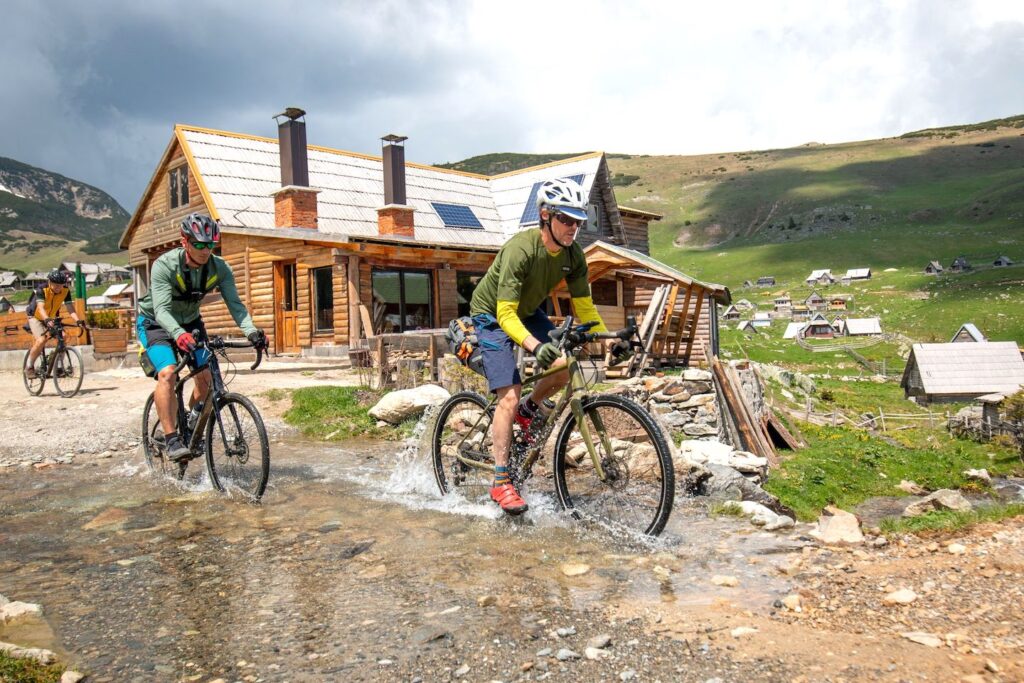
With this goal in mind, the Trans Dinarica’s team — in collaboration with cyclists riding the TD — has launched the third version of route’s navigation package in November 2025.
After investigating the numbers and cyclist responses (over the last 18 months) that assisted with the creation of the new “nav pack,” the TD team, part of the Good Trail route-development company, has found that travelers are most enthusiastic about nature and hospitality. They alsosee there are still many opportunities for developing local services and infrastructure.
Particularly lacking is the accessibility of public transport in the countries south of Slovenia. The Trans Dinarica Cycle Route, launched in July 2024, crosses eight countries: Slovenia, Croatia, Bosnia and Herzegovina, Montenegro, Albania, North Macedonia, Kosovo, and Serbia.
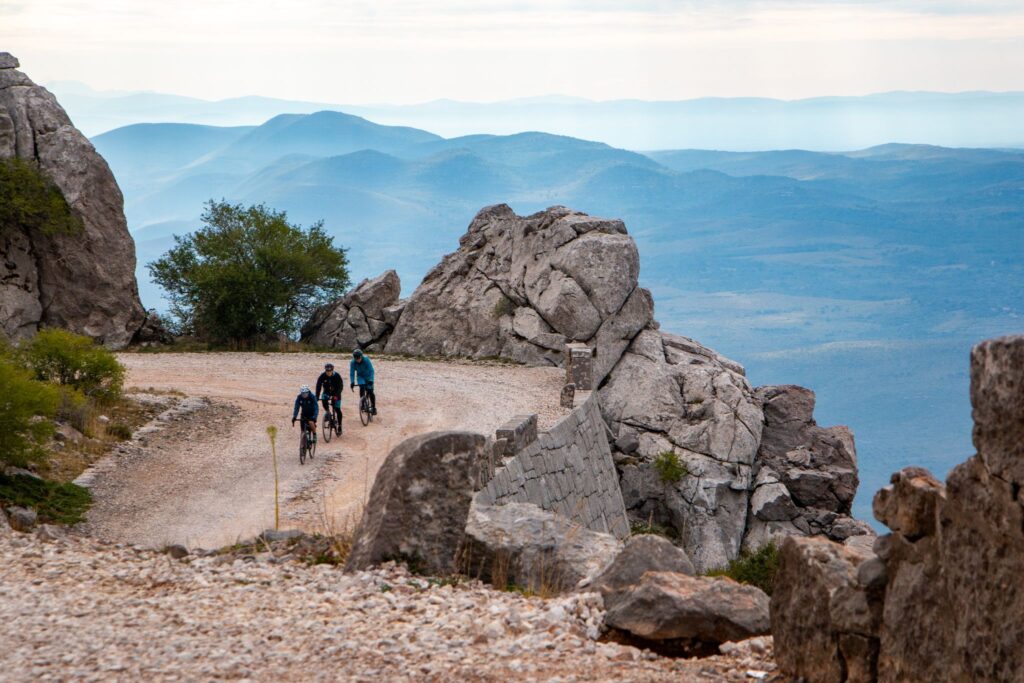
The route has become a global hit with accounts of the route’s success reaching nearly a billion readers in publications such as The New York Times, BBC, CNN, Lonely Planet, and Der Spiegel to name just a few.
Among the important pieces of information gleaned from the Trans Dinarica’s first 18 months:
• Germans, Americans, and Britons are the most frequent users. On average, cyclists completed nine stages per ride, and 90 percent wish to return and recommend the route to friends.
• Cyclists spend an average of 75 euros per day, with an indirect, sustainable, economic impact on the region of 20 million euros.
• The creators of the route, with the help of feedback from cyclists, have prepared Trans Dinarica 3.0, the third upgrade of the navigation package.
• The strongest advantage of the entire area is the beautiful nature and the hospitality of the locals, while local services adapted to cyclists and public infrastructure sometimes fall short; the biggest challenge for foreign travellers is finding a reliable public transport option.
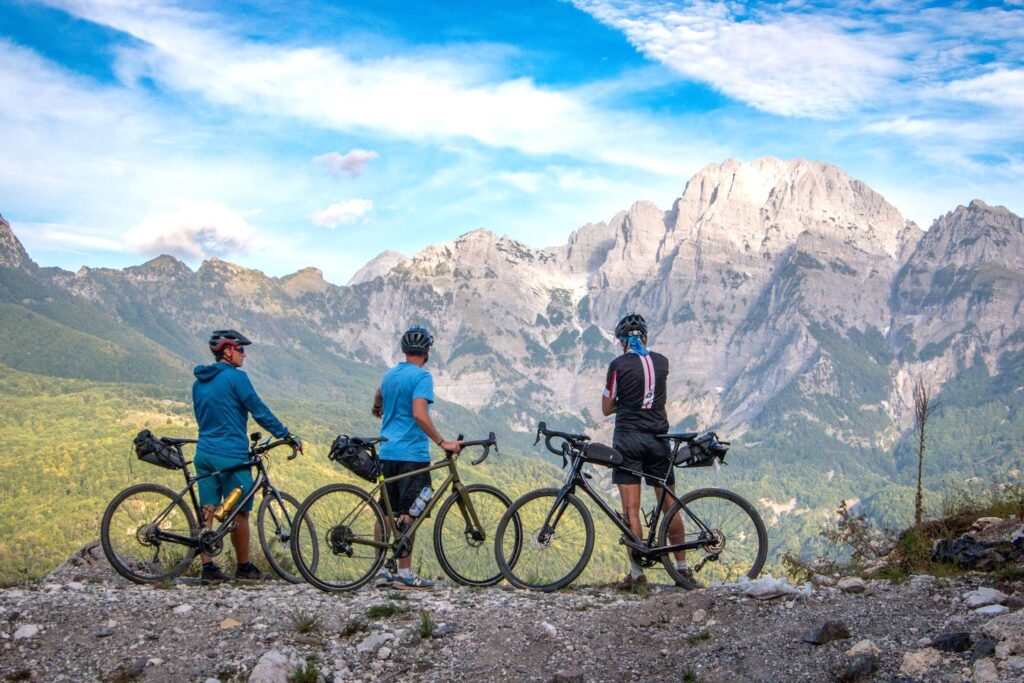
Cyclists are the main source of information for Trans Dinarica 3.0
After the GoodTrail team spent two years exploring the terrain themselves before the route’s launch, the main ‘co-creators’ have now become the users—the cyclists.
“The information we receive from cyclists is invaluable to us and to all future users,” says Matevž Hribar, who manages communication with cyclists and edits social networks. The strong cycling community, which began to build up during the development phase, is a great advantage of Trans Dinarica: the Facebook group dedicated to sharing experiences already has over 2,400 members, and more than 900 messages have been sent in the user email support. “They alert us to details such as the absence of ATMs on certain sections, or a changed road surface. In Albania, for example, only three percent of the original fourteen percent of gravel sections remain — that much road has been asphalted in the last three years.”
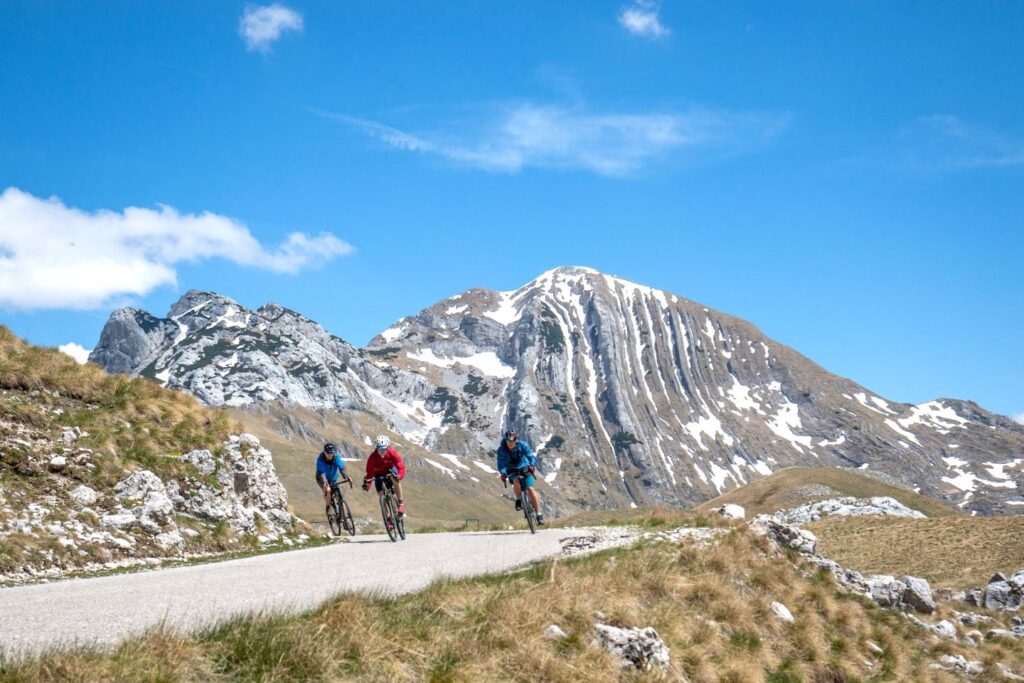
With the help of all the collected information, the team published the third version of the navigation package this November. “For the latest version, Trans Dinarica 3.0, we literally clicked through every meter of the more than 5,500 kilometres of the route, incorporating cyclist corrections and publicly available data,” says Matija Klanjšček, Trans Dinarica’s chief cartographer: “We have added new points of interest, of which there are now more than 3,100. It is great to see that local providers, owners of accommodations or campsites, who are already feeling a greater presence of cycling tourists in the area, are contacting us and know how to adapt to their needs.”
The direct economic impact on destinations and providers along the route is 9.5 million euros, and the indirect impact is around 20 million (the average multiplier for the tourism sector in the region is around 2).
This was the impetus for the establishment of the new project Transdinarica2, which is already underway and whose partner is also the Slovenian Institute Factory of Sustainable Tourism Ljubljana. As part of the Interreg Danube Region Programme, co-financed by the European Union, the project aims to improve the accessibility of the Trans Dinarica cycling route and to achieve better social and economic effects at the local level.
Read more here.

